AC Indoor Air Quality Tips for Healthier Florida Living
Florida has a way of making you think about air every day. You notice it when humidity hangs in the house after a summer storm, when pollen drifts through an open door, or when the AC runs almost nonstop and still does not quite make the rooms feel fresh. For many homeowners, the first sign of a problem is not a fancy test or a technician’s warning, it is a feeling. The air seems heavy. Dust returns faster than it should. Somebody in the family starts sneezing more at night. A room that stays cooler than the rest of the house still smells stale.
That is where AC indoor air quality becomes more than a comfort issue. In a climate like Florida’s, your cooling system is working as both a temperature control and a humidity manager, and those two jobs affect the air you breathe every hour of the day. If the system is undersized, dirty, neglected, or simply not matched to the way the home is used, indoor air can carry more moisture, more particles, and more odors than it should. Good HVAC air quality Florida homeowners can count on is not built by one gadget or one filter. It comes from a series of practical choices that keep the whole system clean, dry, and balanced.
Why Florida homes put extra pressure on indoor air
Florida homes live under a very specific set of stresses. Heat is obvious, but humidity is the bigger issue for air quality. When outdoor air is warm and damp, every time a door opens or a small leak pulls outside air inside, that moisture comes with it. Once indoor relative humidity climbs much above the comfortable range, dust mites multiply more easily, surfaces can feel sticky, and odors tend to linger. Mold does not need dramatic flooding to become a problem either. A little condensation in a closet, a damp return plenum, or a pan that drains poorly can quietly create trouble.
I have seen houses where the thermostat reading looked fine, maybe 74 or 75 degrees, yet the indoor air still felt swampy. The cause was usually not a dramatic mechanical failure. It was something smaller, such as an AC short-cycling because the unit was oversized, a clogged drain line, a filter that was never changed, or leaky ductwork pulling attic air into the system. Florida does not forgive small inefficiencies. They compound quickly.
There is also a seasonal pattern that catches people off guard. During cooler months, windows may stay closed for long stretches, which reduces fresh air exchange. That can allow indoor pollutants to build up. Cleaning products, cooking fumes, pet dander, and everyday dust all stay in circulation longer. So the same house can struggle with too much humidity in one season and too much trapped indoor pollution in another. The system has to handle both.
Start with humidity, because comfort and air quality are linked
If there is one number worth paying attention to, it is indoor relative humidity. A range around 30 to 50 percent is often more comfortable for most ac installation homes, and many Florida houses feel best somewhere in the mid range when the system is functioning properly. Additional info Once humidity rises above that, the air starts to feel heavier, surfaces may feel damp, and indoor air pollution home concerns often become more noticeable because moisture helps many contaminants stick around.
Your AC is supposed to remove moisture as it cools, but it can only do that well under the right conditions. If the system is too large for the home, it may cool the air quickly and shut off before pulling enough moisture from the air. If airflow is too high, the coil may not stay cold long enough to condense moisture effectively. If the evaporator coil is dirty, heat transfer suffers and dehumidification falls behind. These are not theoretical concerns. They show up in real houses as mildew in a bathroom cabinet, condensation on supply vents, and that persistent clammy feeling after the system has already run.
A practical homeowner can do a few things here. Keep an eye on indoor humidity with a simple digital hygrometer. If the house regularly sits in the high 50s or 60s, that is worth discussing with an HVAC technician. In some homes, a small adjustment to fan speed, thermostat settings, or system sizing helps. In others, the real answer is a whole-home dehumidifier or duct repairs that stop humid air from sneaking into the system.
Filters matter, but not in the simplistic way people think
A filter is not just a box to catch dust. It is part of the airflow design of the whole system. When people ask about clean indoor air HVAC performance, I usually start by asking which filter they use, how often they change it, and whether the system seems to be breathing freely or struggling. A very dense filter can trap more particles, but if the system was not designed for it, airflow can drop enough to create new problems. That can mean poorer cooling, more coil icing risk, and in some cases worse humidity removal.
For most homes, the best filter is the one that balances particle capture with real-world airflow and gets replaced on schedule. A moderately high-efficiency pleated filter often works well, but the right choice depends on the equipment and the household. A home with pets, allergy concerns, or frequent construction dust may benefit from a better filter strategy than a lightly occupied condo. Families sometimes make the mistake of buying the most restrictive filter they can find, then leaving it in place too long because it looks expensive. That approach can hurt the system and the air.
A good rule is to check the filter monthly and change it before it is packed with dust. In many Florida homes, especially during heavy cooling season, that means every 30 to 90 days. Homes with shedding pets, indoor smokers, or high dust loads may need changes more often. The point is not a magic number. The point is to keep the system from fighting for breath.
Ductwork can quietly make or break HVAC air quality Florida homes depend on
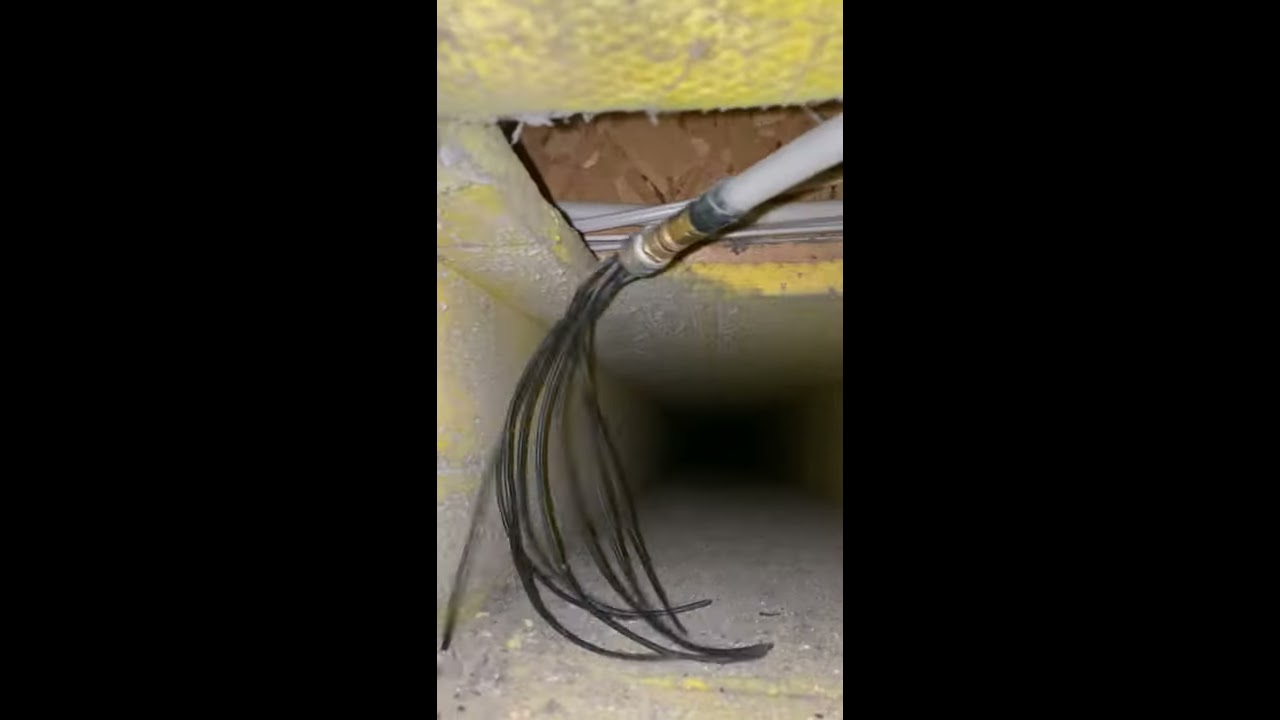
Ducts are hidden, which is why they get ignored. They should not be. If the duct system leaks, cracks, or sits uninsulated in a hot attic, the air quality impact can be substantial. Leaky supply ducts can lose conditioned air before it reaches the room, while leaky return ducts can pull in attic dust, insulation fibers, insulation odors, or humid outdoor air. In Florida, that attic air is not just warm. It is often very humid. A return leak there can undo a lot of the work your AC is trying to do.
One of the most common issues is not a giant hole, but several small gaps at connections and joints. Those gaps can add up. The house then becomes harder to cool, humidity rises, and the system runs longer than expected. Longer runtimes are not always bad, but when they come from duct losses rather than intentional dehumidification, they waste energy and stress equipment without delivering cleaner air.
If you have rooms that never seem to match the rest of the house, or vents that blow weakly even when the system is running, duct inspection is worth the trouble. In some homes, sealing and insulating ducts makes a bigger difference than replacing the thermostat or adding a new filter. It is not glamorous work, but it often pays off in steadier temperatures and less dust pulled from unconditioned spaces.
The coil, drain line, and drain pan deserve more attention than they get
The evaporator coil is where the air gets cooled and moisture gets stripped out. If it is dirty, the system loses efficiency and the air can feel less fresh. Dust, pet hair, and sticky residue on the coil all interfere with performance. A partly clogged coil does not always announce itself with a breakdown. Sometimes the symptom is just a home that smells a little off when the AC kicks on.
The condensate drain line is another frequent trouble spot. In humid climates, the system produces a lot of water. That water needs to leave the unit cleanly. If the drain line clogs with sludge, algae, or debris, water may back up into the pan or overflow near the air handler. Even if it never causes visible damage, a slow drain can create the damp conditions that lead to mold growth. That is one reason a musty smell around the indoor unit should never be brushed off.
Homeowners do not need to disassemble the air handler themselves, but they should know when the system sounds different, smells different, or leaves water where it should not. Annual service should include coil inspection and drain maintenance. In houses with heavy use, some technicians recommend checking the drain more than once a year, especially when the cooling season is long.
Fresh air is useful, but only when it is controlled
Many people assume that if air quality is poor, the answer is simply to open the windows. That works on a perfect spring morning, but Florida rarely gives you perfect conditions for long. Outdoor humidity, pollen, traffic pollution, and even wildfire smoke at certain times of year can make outside air less than ideal. Bringing in fresh air indiscriminately can improve stale indoor air, but it can also increase moisture and contaminants.
Controlled ventilation is better. A system that brings in measured outdoor air, filtered and balanced against exhaust, can help reduce indoor pollutants without dumping humidity into the house. Some homes already have the equipment to do this. Others do not, and the fix may involve a ventilation fan, a smarter thermostat setup, or a broader HVAC upgrade. The key is that ventilation should be intentional. Randomly opening windows or leaving the house leaky is not the same as providing healthy fresh air.
This is especially relevant in tightly sealed homes. When a house is sealed well for energy efficiency, pollutants from cooking, cleaning, or hobbies can build up faster if there is no deliberate air exchange. The home may be efficient on paper but still feel stale. Balanced ventilation helps solve that problem without sacrificing comfort.
Everyday habits still matter
A strong HVAC system can do a lot, but it does not erase poor indoor habits. Cooking without a working exhaust fan, storing damp towels in a closed room, or running a litter box area with no airflow all make indoor air work harder. In Florida, where moisture lingers, these small habits add up.
Housecleaning matters too, but not in a superficial way. Dry dusting often just redistributes particles. A vacuum with a sealed system and a true HEPA filter does a much better job of reducing fine dust and pet dander. Regular vacuuming near supply and return vents can help because those areas tend to collect debris that gets pulled into circulation. Bedding should also be washed consistently if allergy symptoms are an issue, since bedrooms are where people spend the most uninterrupted time breathing the same air.
Sometimes the problem is not dirt in the obvious sense. It is the accumulation of everyday pollutants that make the house feel less clean than it looks. Paint fumes from a recent project, candles, harsh cleaners, and cooking smoke can all contribute to indoor air pollution home owners notice only after the air turns stale. Reducing the source is usually more effective than trying to filter it all out afterward.
When equipment choices make a real difference
Not every AC system handles air quality equally well. Variable-speed equipment, for example, can often move more gently and run longer at lower capacity, which may improve humidity control and filtration time. That does not mean every home needs a premium system. It does mean the type of equipment should match the building and the family’s priorities. A short-run, high-capacity unit may make the house cold fast, but it may not dry the air well enough in a Florida climate. A better-matched system can feel more comfortable even if the thermostat setting stays the same.
Thermostat settings also matter more than people expect. If the fan is set to run constantly, it may help with circulation, but it can also re-evaporate moisture from the coil in some systems, reducing dehumidification. Some homes do better with the fan on auto, while others benefit from careful fan control or a dedicated dehumidification mode. There is no universal setting that works everywhere. The right choice depends on the equipment and the house’s moisture behavior.
That is why a good technician asks about symptoms, not just square footage. A house with one person and no pets has different air quality needs than a busy family home with two dogs, frequent cooking, and a pool door opening twenty times a day. The best HVAC air quality Florida solutions are usually tailored, not generic.
A practical maintenance rhythm that actually holds up
The homes that stay healthiest over time are usually the ones with steady, boring maintenance. Not fancy upgrades, just attention at the right intervals. The following is a simple rhythm that helps many Florida homeowners avoid the worst air quality issues.
- Check and replace the filter regularly, especially during long cooling seasons.
- Watch indoor humidity with a small hygrometer in a central area and in one problem room if needed.
- Inspect the drain line and condensate area during service visits for signs of backup or algae.
- Keep supply and return vents clear, and do not block airflow with furniture or rugs.
- Schedule professional HVAC maintenance before peak summer stress hits the system.
That list sounds simple because it is, but each item prevents a different failure mode. Miss one, and the system can still limp along. Miss several, and the air gets stale, damp, or dusty fast.
Signs the air is telling you something
Homeowners often wait too long because the symptoms start small. A little more dust on the fan blades. A faint smell when the system starts. Windows sweating in one room. A family member sleeping better in one bedroom than another. These details are easy to dismiss until they form a pattern.
Pay attention when the home changes character after the AC has been serviced, or after a renovation, or after a storm. New flooring, paint, and insulation materials can release odors for a while. Water intrusion, even minor, can shift the indoor environment quickly. If a space smells musty only when the system runs, that often suggests the AC is pulling moisture or contamination from somewhere in the airflow path. If the air feels fine during the day but oppressive at night, the issue may be tied to occupancy, cooking, or a bedroom that is under-ventilated.
These are the kinds of clues that lead to a real fix. Not every indoor air issue needs a major overhaul, but ignoring the pattern usually makes the eventual repair more expensive.
Healthier air is mostly the result of discipline
People sometimes look for one dramatic answer to indoor air problems. A new purifier. A stronger chemical cleaner. A bigger AC. Those can help in the right case, but healthy indoor air usually comes from consistency. Keep moisture under control. Keep the system clean. Keep air moving in a deliberate way. Keep ducts sealed. Change filters before they become choked. Address smells and dampness while they are still minor.
Florida living is easier when the air inside feels genuinely comfortable, not just cold. There is a real difference between a house that is chilled and a house that is balanced. The balanced home has less dust floating in shafts of sunlight, fewer musty corners, fewer mornings with scratchy throats, and less work for the AC to do. That kind of comfort does not happen by accident. It comes from treating AC indoor air quality as part of home care, not an afterthought.
When that mindset takes hold, the payoff is immediate. The house smells cleaner, the system runs more predictably, and the air feels easier to live with through the long, humid months that define Florida life.
Phone:
(863) 247-0271
Website:
icecoolinghvac.com
Indoor Climate Experts
296 Lake Smart Circle,
Winter Haven,
FL
33881